What Delivery Data Tells You About Your Customer Base
3.12.25
Delivery data is one of the most underused sources of insight in ecommerce. While most businesses analyse sales, conversion rates and marketing performance, the information hidden inside your shipping and carrier reports can reveal far more about your customers than you might expect.
From delivery preferences to geographic demand, buying patterns, loyalty indicators and even customer expectations, delivery data offers a real-time window into who your shoppers are and how they behave once the order is placed.
Here’s what your delivery data can really tell you about your customer base and how using it well can transform your ecommerce strategy.
Where Your Customers Really Are
Fulfilment data gives you an accurate picture of your distribution of customers by:
- Postcode and region
- Urban vs rural demand
- High-density shipping hotspots
- New areas showing rapid growth
This helps you identify:
- The best locations for future warehouses or micro-fulfilment
- Which regions need faster or premium services
- Emerging markets worth targeting with advertising or localised promotions
Your shipping footprint often reveals growth opportunities before your sales reports do.
What Delivery Services Your Customers Prefer
Delivery data clearly shows which shipping options your customers choose most:
- Next-day vs economy
- Out-of-home vs door delivery
- Tracked vs untracked
- Timed or one-hour window services
- International vs domestic demand
These preferences give you insight into customer priorities such as:
- Speed vs cost
- Convenience vs price sensitivity
- Confidence and transparency vs budget
If next-day or OOH options keep rising, for example, it’s a sign your customer base values convenience and real-time tracking more than saving £1 on shipping.
How Delivery Impacts Customer Lifetime Value
Your data reveals which customer groups are:
- More likely to reorder
- More affected by delivery delays
- More sensitive to shipping cost
- More likely to churn after a bad experience
- Stronger in certain regions or delivery methods
For many retailers, customers who choose tracked, OHH/locker, or premium services tend to:
- Repurchase faster
- Complain less
- Spend more over time
Monitoring delivery outcomes by customer segment can show you which groups are worth investing in and which require shipping improvements to protect loyalty.
What Products Cause the Most Delivery Risk
Delivery data highlights which items frequently create:
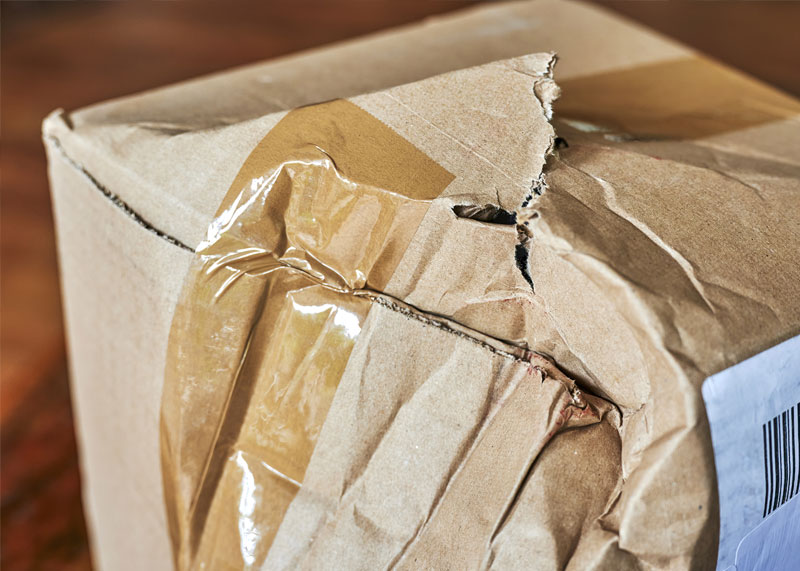
- Damages
- Late deliveries
- Failed deliveries
- Oversize charges
- Returns
This helps you improve:
- Packaging standards
- Carrier selection
- Product bundling
- Shipping rules
- International restrictions
In many cases, delivery failures are tied to specific SKUs, not the entire operation. Data helps you isolate the problem.
Your Customers’ Expectations (and Tolerance Levels)
By analysing:
- First-time delivery success
- Redelivery attempts
- Delivery diversion behaviour
- WISMO enquiries
- Complaints or compensation claims
you gain a deeper understanding of your customers’ expectations.
For example:
- High levels of “divert to locker” suggest your customers want more control.
- High failed delivery rates may point to wrong services being used for your demographic (e.g., workers not home during the day).
- A spike in WISMO when tracking is slow tells you customers value visibility more than speed.
Delivery data helps tailor your delivery strategy to match customer behaviour, not assumptions.
Which Carriers Your Customers Respond Best To
With a multi-carrier setup, you can analyse:
- On-time performance by carrier
- Customer satisfaction by carrier
- Return rates by carrier
- Delivery success by region
- Damage rate per service
This lets you route parcels based on customer experience, not just price.
For example:
- DPD may perform best for high-value parcels or premium shoppers.
- Royal Mail may be ideal for small, low-friction orders and rural areas.
- Evri/Yodel may provide strong OOH coverage for value-conscious or younger customers.
Delivery data becomes a strategic tool to ensure the right carrier is paired with the right customer and product, every time.
Emerging Trends in Your Customer Behaviour
Delivery patterns often reveal trends earlier than sales data, such as:
- Shift towards OOH due to safety or convenience
- Increase in international orders
- Customers ordering later but still expecting fast delivery
- Demand spikes in specific regions
- New peak periods outside Black Friday or Christmas
These insights help you adapt before the market does.
Why Delivery Data Matters More Than Ever
Delivery is no longer a back-end function.
It’s a core part of your customer experience and a major driver of loyalty, conversion, and profitability.
By paying closer attention to your delivery data, you can:
- Improve customer satisfaction
- Reduce delivery costs
- Increase repeat purchase rate
- Choose better carriers and services
- Optimise packaging
- Identify new markets
- Improve operational planning
- Build a customer experience your competitors can’t match
Every parcel you ship is a data point and together, they form the most accurate picture of your customer base.