The True Cost of Damages: How Better Packaging Saves Money
3.12.25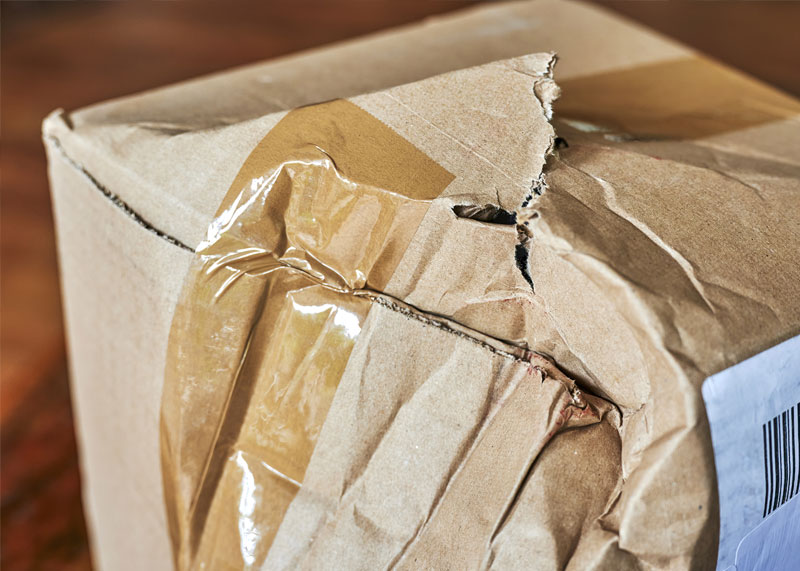
Damaged parcels are one of the most expensive and most avoidable problems in ecommerce and retail logistics. While packaging is often seen as a cost to minimise, the reality is far more complex. Poor packaging leads to breakages, customer complaints, replacements, refunds, warehouse inefficiencies, and increased carrier charges.
In a competitive ecommerce landscape, better packaging isn’t an expense; it’s a profit-protection strategy.
This article breaks down the hidden costs of parcel damage and explains how investing in quality packaging can significantly reduce losses, improve customer experience and increase margin.
The Hidden Cost of Damaged Parcels
Many retailers focus only on the cost of the product lost but damage sets off a chain of expensive consequences:
Replacement Costs
Every damaged order usually requires a replacement item to be sent out. That’s double the product cost, double the packaging, and double the delivery fee.
Increased Shipping & Handling Fees
Carriers charge again for the replacement parcel. In some cases, repeated issues can even lead to surcharges or removed discounts.
Operational Disruption
Customer service teams spend valuable time resolving complaints, chasing carriers, and arranging replacements. This slows down the entire workflow.
Returns Processing Costs
Damaged items often need to be collected, sorted, and inspected which is a costly internal task that adds no value.
Customer Lifetime Value Decline
The long-term impact is often overlooked.
One damaged order can reduce trust and lead to abandoned carts or lost customers.
Research shows that delivery issues including damaged goods are one of the top reasons customers switch retailers.
Why Packaging Failures Happen
Poor packaging is rarely intentional and it’s usually caused by:
- Underestimating parcel handling during transit
- Using boxes that are too large or too small
- Insufficient internal protection
- Not considering volumetric weight
- Low-quality outer cartons
- Tape and sealing failures
- Fragile item packing that doesn’t meet carrier handling standards
Carriers move parcels through conveyors, automated belts, cages, trucks, depots and aircraft holds. If packaging isn’t strong enough, damage becomes inevitable.
The ROI of Better Packaging
Upgrading packaging materials and standards can dramatically reduce damage rates and the returns usually outweigh the cost.
Lower Replacement & Refund Costs
Even a 1% reduction in damage rate can save thousands per month for high-volume retailers.
Fewer Customer Complaints
Strong packaging reduces the load on your customer service team, freeing them to focus on growth, not firefighting.
Better Carrier Relationships
Low damage ratios support carrier performance metrics and help maintain agreed SLAs.
Higher Customer Retention
Customers expect products to arrive in perfect condition, which helps you to deliver on building trust and loyalty.
Improved Brand Perception
Packaging is part of the unboxing experience. Good packaging feels premium and professional.
Packaging Best Practices for Damage Prevention
Here are simple changes that can deliver significant improvements:
Use right-size packaging – avoid oversize boxes that let products move around.
- Choose double-walled boxes for heavy or fragile items.
- Use internal cushioning (paper void fill, bubble, foam, cardboard inserts).
- Protect edges and corners as these are the most common impact points.
- Use high-quality tape and sealing methods to prevent box collapse.
- Test packaging by simulating drops and conveyor movement.
- Consider volumetric weight – strong packaging doesn’t have to be heavy or bulky.
- Align with carrier packaging guidelines for fragile products or liquids.
Small improvements can cut damage rates dramatically.
The Role of Multi-Carrier Delivery in Reducing Damages
Sometimes damage isn’t just about packaging, it’s also about choosing the right carrier for the right product.
Premium carriers may offer gentler handling and more consistent performance, whereas value carriers may be better for non-fragile, lightweight parcels.
Using a multi-carrier partner like eSolutions allows you to:
- Route fragile parcels through higher-performing networks
- Use the best carrier for each size, weight, and product type
- Compare damage rates across carriers
- Identify problem trade lanes or depots
- Adjust packaging strategy based on data
With the right carrier and the right packaging, the damage rate drops significantly.
Conclusion: Better Packaging = Lower Cost, Happier Customers
Damaged parcels do far more than ruin a delivery, they impact profit, customer loyalty, brand reputation, and operational efficiency.
Investing in quality packaging is one of the simplest, highest-ROI improvements a retailer can make. It reduces waste, protects margin, and ensures your customers receive their order in perfect condition.
If you want support reviewing your packaging, carrier performance or delivery strategy, the eSolutions team can help analyse your data, highlight risks, and recommend improvements that save money immediately.